
 INSURANCE BENEFITS BEFORE THE END OF THE YEAR. IF YOU DON’T USE IT, YOU LOSE IT!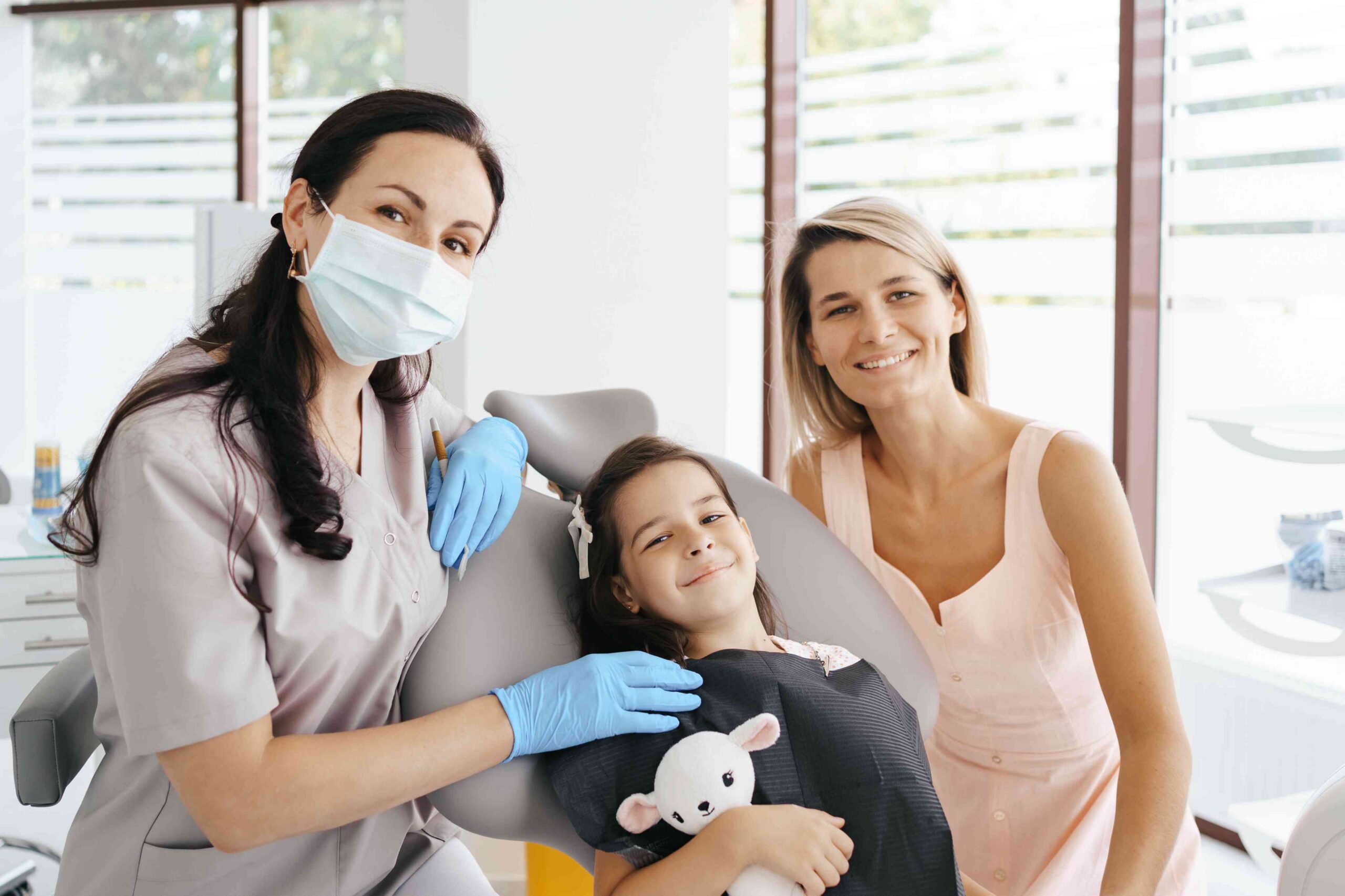
A family dentist helps children, teens, adults, and older patients manage exams, cleanings, gum health, tooth concerns, preventive care, restorations, and long-term oral habits in one dental setting. Families in Dunedin, FL, Palm Harbor, FL, and Clearwater, FL may benefit from care that follows dental changes over time and supports different stages of life. Recommendations should depend on each patient’s age, dental history, symptoms, comfort level, oral health needs, and exam findings.
Dental needs can change across a household. A child in Dunedin, FL may need help learning how to brush along the gumline, while a teen may need support keeping teeth clean around crowded areas. An adult may be watching an older filling, and an older family member may need help with gum recession, dry mouth, crowns, or chewing comfort.
A family dentist can help bring those different needs into one steady care routine. The goal is not only to treat pain after it starts. Ongoing dental visits can help patients understand what is healthy, what is changing, and what may need attention after an exam. When care feels familiar, families may ask questions sooner and make choices with more confidence.
Dental Care Should Fit Each Stage of Life
Children, teens, adults, and older patients do not need the same type of dental care. A young child may need simple brushing guidance and cavity prevention. A teen may need help with sports mouthguards, snacks, or aligner cleaning. Adults may need gum checks, restoration monitoring, or support for tooth sensitivity.
The value of a family dentist is often found in this long view. The dentist can follow tooth development, bite changes, gum health, older dental work, and home habits over time.
This can make care easier to explain. A tooth that has stayed stable for years may only need monitoring, while a new crack or new sensitivity may need closer attention.
Why Prevention Matters for Busy Families
Small dental concerns may not cause pain right away. Plaque buildup, early cavities, gum irritation, enamel wear, and small cracks can develop quietly.
With family dental care, patients can receive regular exams, cleanings, cavity checks, gum evaluations, and practical home care guidance. A child may need help brushing back teeth, while an adult may need advice for cleaning around a crown or bridge.
Prevention works best when it is personal. Advice should come from what the dentist sees during the visit, not from a one-size-fits-all routine.
Children Need Calm and Clear Visits
Children often feel more comfortable when dental care is explained in simple steps. They may need to see the mirror, hear what will happen next, or take time to get used to the chair.
A child from Palm Harbor, FL may come in with a parent who has questions about loose baby teeth, brushing, fluoride, or snacks. These early visits can help parents understand tooth development and cavity risk.
Children also learn by routine. When dental visits are calm and predictable, they may become more willing to talk about tooth discomfort or brushing struggles at home.
Teens Have Different Dental Risks
Teens often have more independence, but they may not always have consistent brushing and flossing habits. Sports, school schedules, frequent snacking, energy drinks, braces, aligners, and late-night routines can all affect oral health.
A teen may not notice plaque buildup near the gumline until it is shown during a visit. Simple feedback can be more useful than a lecture.
The dentist may also discuss wisdom tooth monitoring, mouthguards, gum inflammation, or cleaning around orthodontic appliances. The goal is to help teens understand their role in daily care.
Adult Dental Care Should Stay Consistent
Adults may delay their own dental visits because of work, family needs, or busy schedules. Waiting can allow small problems to become more involved.
For adults, family dental care may include exams, cleanings, gum checks, cavity treatment, crown evaluations, filling repairs, sensitivity discussions, or bite assessments after evaluation. The plan should match the exam findings and the patient’s symptoms.
Adults should mention bleeding gums, jaw soreness, dry mouth, food trapping, tooth pain, or changes in chewing comfort. These details may help the dentist find the cause earlier.
Gum Health Can Affect the Whole Mouth
Healthy gums support the teeth and help protect long-term oral health. Bleeding, swelling, gum recession, bad breath, or loose teeth can suggest that the gums need attention.
A family dental clinic can help patients understand whether gum changes are mild inflammation or signs of a deeper periodontal concern. Care may include better home routines, professional cleanings, gum measurements, or more specific treatment depending on the findings.
Gum care matters for adults and older patients, but children and teens can also develop gum irritation when plaque sits near the gumline.
Cleanings Are Only Part of the Appointment
Cleaning removes plaque and tartar from areas that brushing and flossing may be missed. The exam adds another layer by checking teeth, gums, restorations, bites, jaws, and oral tissues.
Patients looking for family dental Clearwater may want routine care that is easy to understand and practical to maintain. A useful visit should explain what looks healthy, what needs monitoring, and what may need treatment.
Clear explanations help families make better decisions. A patient should not leave wondering why a tooth is being watched or why a filling is recommended.
Dental History Helps Guide Care
Dental records help the dentist compare past and current findings. X-rays, gum measurements, filling history, crown notes, tooth sensitivity, and bite changes all provide context.
A patient in Clearwater, FL may have an older crown that has been stable for years. Another patient may have a filling with a new crack. These two findings should not be treated the same way.
Looking at changes over time can help prevent unnecessary guessing. It also helps patients understand why timing matters.
Care Should Not Feel the Same for Everyone
A child with new molars, a teen in sports, an adult with old fillings, and an older patient with gum recession all need different conversations. Dental care should match the person, not only the appointment type.
At a family dental clinic, recommendations may include prevention, monitoring, repair, gum care, restoration, or referral when needed. The right path depends on the exam and the patient’s health history.
Patients should feel comfortable asking why a recommendation is being made. Clear answers can make treatment planning less stressful.
When Small Dental Problems Need Attention
A small chip, mild sensitivity, bleeding gum area, or loose filling may seem easy to ignore. Some concerns can be monitored, but others may need treatment before pain starts.
The guidance of a family dentist can help patients understand the difference between watching a finding and treating it. A small enamel change may need prevention, while a cracked filling may need repair.
Patients should not have to guess whether a symptom matters. A dental exam helps turn uncertainty into a clearer plan.
What Ongoing Family Care May Help With
Steady dental care can support different needs across a household.
It may help:
- Track tooth development in children
- Find cavities earlier
- Support gum health
- Review old fillings and crowns
- Guide brushing and flossing routines
- Discuss sports mouthguards when appropriate
- Monitor tooth wear and bite pressure
- Support older adults with changing oral needs
- Make dental visits feel more familiar over time
- Recommendations should always depend on symptoms, age, dental history, oral health, comfort level, and exam findings.
What to Expect During a Family Dental Visit
Before the appointment, patients may share health history, medications, symptoms, dental concerns, and past treatment details. Parents can mention brushing struggles, habits, loose teeth, tooth eruption questions, or concerns about dental comfort.
During the visit, the dentist may check teeth, gums, bites, jaws, restorations, and oral tissues. X-rays may be recommended based on age, risk level, symptoms, and dental history.
After the exam, someone seeking family dental Clearwater should receive clear guidance about home care, prevention, monitoring, or treatment options. Families from Palm Harbor, FL may also receive age-specific advice for children, teens, adults, or older patients depending on what was found.
Local Patient Review
“Our visits felt easier once each person’s needs were explained clearly. It helped us understand what could be watched and what needed care.”
Dental Care That Fits Real Family Routines
Good dental care should help every patient understand what is healthy, what is changing, and what may need attention after evaluation. For families balancing daily life in Dunedin, FL, Clearwater, FL, and nearby Palm Harbor, FL, Beyond Dentistry provides a place to discuss practical care for different ages without making decisions feel rushed.
Frequently Asked Questions
How often should most patients have dental visits?
Many patients are seen about every six months, but timing can vary based on gum health, cavity risk, symptoms, and dental history.
Can children and adults visit the same dental office?
Often, yes. Care should still be personalized by age, comfort level, oral health, symptoms, and treatment needs.
Why are baby teeth important?
Baby teeth help with chewing, speech, spacing, and guiding adult teeth. Decay or infection in baby teeth should be checked.
What should adults mention during a visit?
Mention pain, sensitivity, bleeding gums, dry mouth, jaw soreness, loose teeth, broken fillings, or changes in chewing comfort.
Are X-rays needed at every appointment?
Not always. X-rays are recommended based on symptoms, risk, age, dental history, and what the dentist needs to evaluate.
How can families improve brushing routines?
Use age-appropriate tools, help young children brush, keep routines simple, and ask which areas need more attention.
What if someone feels nervous about dental care?
Tell the dental team before the visit. Clear explanations and a slower pace may help the appointment feel more manageable.
Can preventive visits reduce future problems?
They may help find concerns earlier and guide home care, but results depend on risk, habits, oral health, and follow-up.