
 INSURANCE BENEFITS BEFORE THE END OF THE YEAR. IF YOU DON’T USE IT, YOU LOSE IT!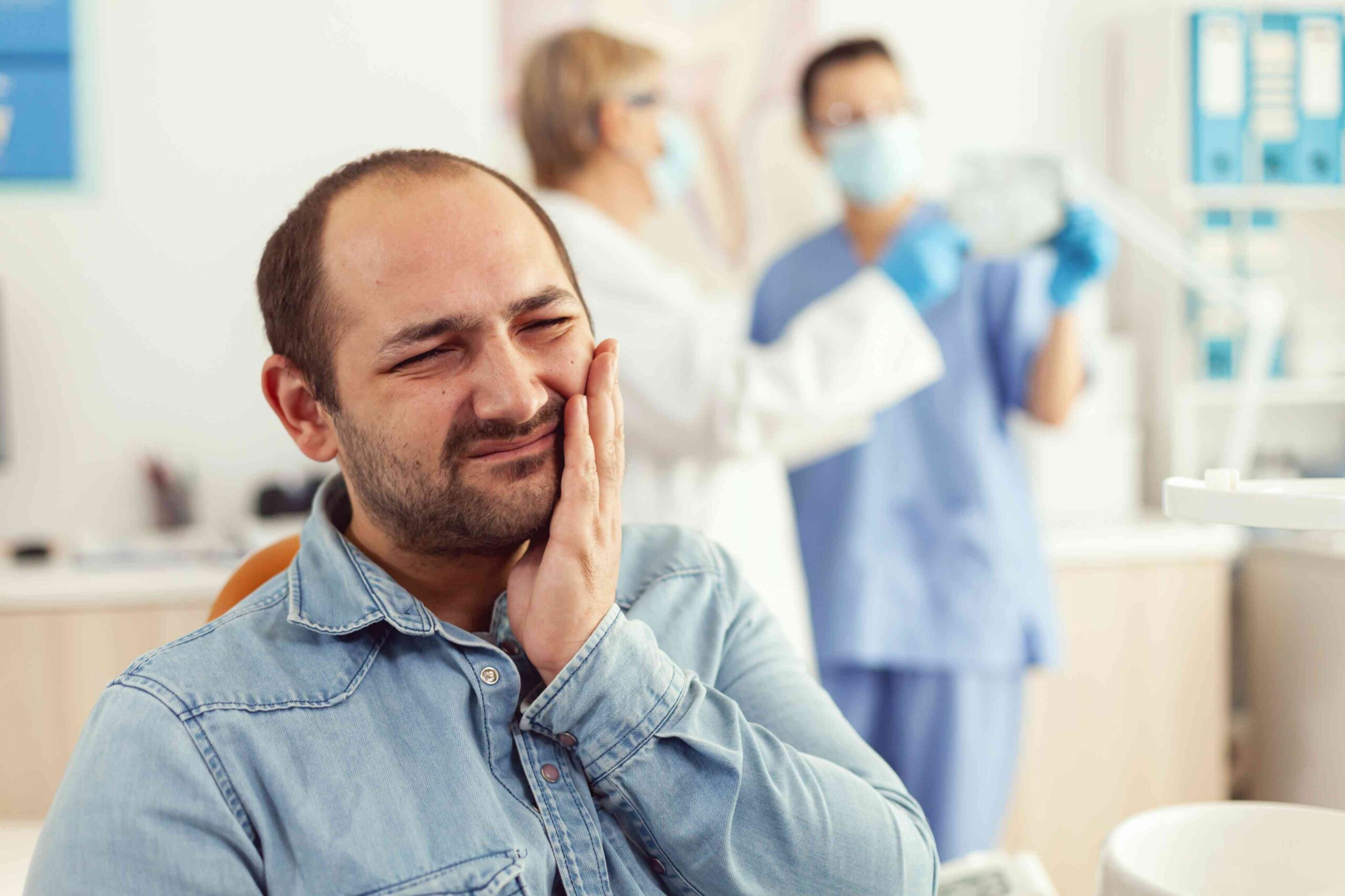
An emergency dentist in Palm Harbor, FL may be needed for severe tooth pain, swelling, broken teeth, dental trauma, uncontrolled bleeding, fever, or signs of infection. Patients in Palm Harbor, Clearwater, and Dunedin should seek prompt dental evaluation when symptoms are serious, spreading, or getting worse. Emergency dental care helps identify whether the problem involves decay, cracks, gum infection, damaged restorations, tooth nerve inflammation, or injury before final treatment is planned.
Dental problems can feel sudden, even when the cause has been building for a while. A patient in Palm Harbor may wake up with throbbing tooth pain, bite down and feel a sharp crack, or notice swelling near the gums. Another person may lose a crown, break a filling, or have a tooth injury after a fall.
An emergency dentist in Palm Harbor FL can help when symptoms are severe, sudden, or linked to trauma or infection signs. Urgent dental care is not only about short-term comfort. It helps find the cause of the problem, lower risk, and guides the next step. Severe swelling, fever, facial injury, uncontrolled bleeding, or a knocked-out adult tooth should be checked promptly. If swelling affects breathing or swallowing, emergency medical care is needed right away.
What Counts as a Dental Emergency
A dental emergency often involves pain, swelling, injury, infection signs, bleeding, or broken dental work that affects comfort or function. Severe toothache, a knocked-out tooth, a broken tooth, abscess symptoms, and facial swelling should not be ignored.
A lost filling or crown may also need urgent attention if the tooth is painful, sharp, or sensitive. A small chip with no pain may not require the same response, but it should still be examined.
Emergency care begins with a diagnosis. The dentist needs to understand whether the issue comes from decay, crack, gum infection, bite pressure, damaged dental work, or trauma.
Palm Harbor Pain Should Not Be Guessed At
A Palm Harbor emergency dentist may check more than the tooth that seems painful. Tooth pain can travel into the jaw, ear, temple, or nearby teeth. This can make it hard for patients to tell where the problem started.
Biting pain may suggest a crack, loose restoration, infection, or bite imbalance. Cold sensitivity may come from gum recession, decay, enamel wear, or damaged filling.
A careful exam helps match treatment to the cause. Different problems need different care, so guessing at home can delay the right next step.
Clearwater Patients May Need Nearby Urgent Care
A patient searching for an emergency dentist near Clearwater, FL may be dealing with severe tooth pain, swelling, a broken tooth, or an injured mouth. Clearwater patients should not wait if symptoms are strong, spreading, or connected to fever or infection signs.
Pain that comes and goes can still signal a problem. A tooth may feel better for a short time even when deep decay, nerve irritation, or infection is present.
Prompt evaluation can help the dentist decide whether the tooth needs temporary support, a filling, root canal evaluation, extraction, medication when clinically needed, or follow-up treatment.
Understanding After-Hours Dental Searches
Some patients search for a 24-hour emergency dentist in Clearwater FL because pain starts at night, over a weekend, or during a busy workday. The phrase often means the patient needs fast guidance, not that every dental office provides round-the-clock treatment.
If symptoms include severe swelling, uncontrolled bleeding, facial trauma, trouble breathing, or trouble swallowing, medical emergency care may be needed first. Dental care can continue after immediate safety is addressed.
For urgent but non-life-threatening symptoms, the goal is to contact a dental team, describe the problem clearly, and follow the guidance given.
Emergency Services in Palm Harbor
Patients looking for emergency dentist services palm harbor, FL may need help with toothache, abscess concerns, broken teeth, loose crowns, cracked fillings, dental trauma, or bleeding. The first step is to identify the source of the problem.
Some visits may include temporary care to protect the teeth until final treatment can be completed. This can happen when swelling, infection, or deeper tooth damage requires staged care.
An urgent dentist in Palm Harbor FL visit should help patients understand what needs attention now and what may be planned after the immediate issue is stable.
Florida Emergency Dental Concerns
A search for emergency dentist in Florida, FL can reflect a patient who is unsure where to turn during pain, swelling, or injury. The most important point is not the search term itself but the symptoms.
Florida patients, including those in Palm Harbor, Clearwater, and Dunedin, should seek urgent dental guidance for severe pain, dental trauma, swelling, fever, uncontrolled bleeding, or infection signs.
Emergency dental care is meant to provide direction. It helps patients avoid waiting too long or using home methods that do not address the cause.
Dunedin Patients and Urgent Dental Symptoms
Patients near Dunedin may also need help when a tooth breaks, swelling appears, or pain becomes hard to manage. Urgent dental care near Dunedin FL may involve many of the same steps used for Palm Harbor and Clearwater patients.
The dentist may ask when pain starts, what triggers it, whether swelling is present, and whether there is an injury. These details help guide testing and treatment.
Dunedin patients should not ignore symptoms that are getting worse. Tooth pain, gum swelling, and broken dental work can become more difficult to manage if care is delayed.
Swelling Can Be a Warning Sign
Swelling around a tooth, gum, jaw, or face may be linked to infection, trauma, gum disease, or deep decay. A bad taste, fever, tenderness, or a pimple-like bump on the gum may also suggest infection.
Patients should not try to drain swelling at home. This can irritate tissue and delay proper treatment. Pain medicine may reduce discomfort for a short time, but it does not remove the cause.
If swelling spreads toward the eye, neck, or throat, it can become more serious. Breathing or swallowing problems need emergency medical care.
Broken Teeth and Lost Dental Work
A broken tooth may be a small chip or a deeper fracture that reaches the nerve. Pain level alone does not always show how serious the break is.
If a crown or filling falls out, patients should keep the piece if possible and avoid chewing on that side. Household glue should never be used for dental work.
Sharp edges can irritate the tongue or cheek. A dentist can check whether the tooth can be repaired, needs a crown, requires root canal evaluation, or cannot be restored.
Knocked Out or Injured Teeth
A knocked-out adult tooth should be handled by the crown, not the root. The tooth should be kept moist, and urgent dental care should be sought right away. Baby teeth are handled differently, so parents should ask for dental guidance after a child’s tooth injury.
Dental trauma can affect the nerve, root, bone, and bite even when the tooth still looks mostly normal. A loose tooth, chipped tooth, or tooth pushed out of position should be checked promptly.
A same-day dental concern for Palm Harbor patients may need stabilization, monitoring, or follow-up treatment depending on the injury.
What to Do Before the Appointment
For tooth pain, avoid chewing on the sore side. Notice whether the pain is triggered by cold, heat, sweets, biting, or pressure. This information can help during the exam.
For swelling, a cold compress on the outside of the face may help while waiting for care. Pain medicine should only be used as directed on the label or by a healthcare professional.
For bleeding, gentle pressure with clean gauze may help. Bring broken pieces, crowns, appliances, or related dental items to the appointment.
Why Waiting Can Make Care Harder
Some patients delay care because pain fades. This can be risky. A deep cavity may reach the tooth nerve; a crack may spread, or swelling may become more serious.
Clearwater emergency dental care may be needed when symptoms become strong or difficult to manage. Getting checked earlier may give the dentist more options than waiting until the tooth is severely damaged.
Not every urgent visit lead to complex treatment. Sometimes the visit provides temporary care, reassurance, or a clear plan for final repair.
What Emergency Dental Care May Help With
Emergency dental care can help patients move from worry to direction.
It may help:
- Find the source of severe tooth pain
- Check swelling or infection signs
- Stabilize a broken tooth
- Evaluate a knocked-out or injured tooth
- Review lost crowns or fillings
- Reduce sharp edges that irritate the mouth
- Decide whether root canal treatment or removal may be needed
- Plan final repair after the urgent issue is stable
- Know when medical care is needed
- The purpose is to guide care based on what the dentist finds.
Local Patient Review
“I thought the pain would settle on its own, but it kept getting worse when I chewed. The visit helped explain the cause and what needed to happen next.”
Urgent Dental Care Should Bring Clear Direction
Dental pain, swelling, broken teeth, and injuries can feel stressful, but a prompt exam can help patients in Palm Harbor, Clearwater, and Dunedin understand the cause and next step. For urgent symptoms that need calm evaluation and practical guidance, Beyond Dentistry can help focus on comfort, safety, and long-term oral health.
Frequently Asked Questions
What symptoms need urgent dental care?
Severe tooth pain, swelling, trauma, fever, uncontrolled bleeding, or infection signs should be checked promptly.
Is a broken tooth always an emergency?
It depends on pain, depth, sharp edges, and sensitivity. A deep break or painful tooth should be evaluated quickly.
What should I do if a tooth is knocked out?
Handle an adult tooth by the crown, keep it moist, and seek urgent dental care right away. Baby teeth need different guidance.
Can swelling near a tooth be serious?
Yes. Swelling may suggest infection. If it spreads or affects breathing or swallowing, emergency medical care is needed.
Can a lost filling wait?
A lost filling should be checked, especially if the tooth is sensitive, sharp, painful, or hard to chew on.
Will final treatment happen during the urgent visit?
Sometimes, but not always. The dentist may first stabilize the problem and then plan follow-up care.
Why does tooth pain come and go?
Pain may change with pressure, temperature, infection, or nerve irritation. Pain that returns should still be checked.
Should I use home remedies for swelling?
Home methods should not replace dental care. Do not try to drain swelling or place aspirin directly on the gums.